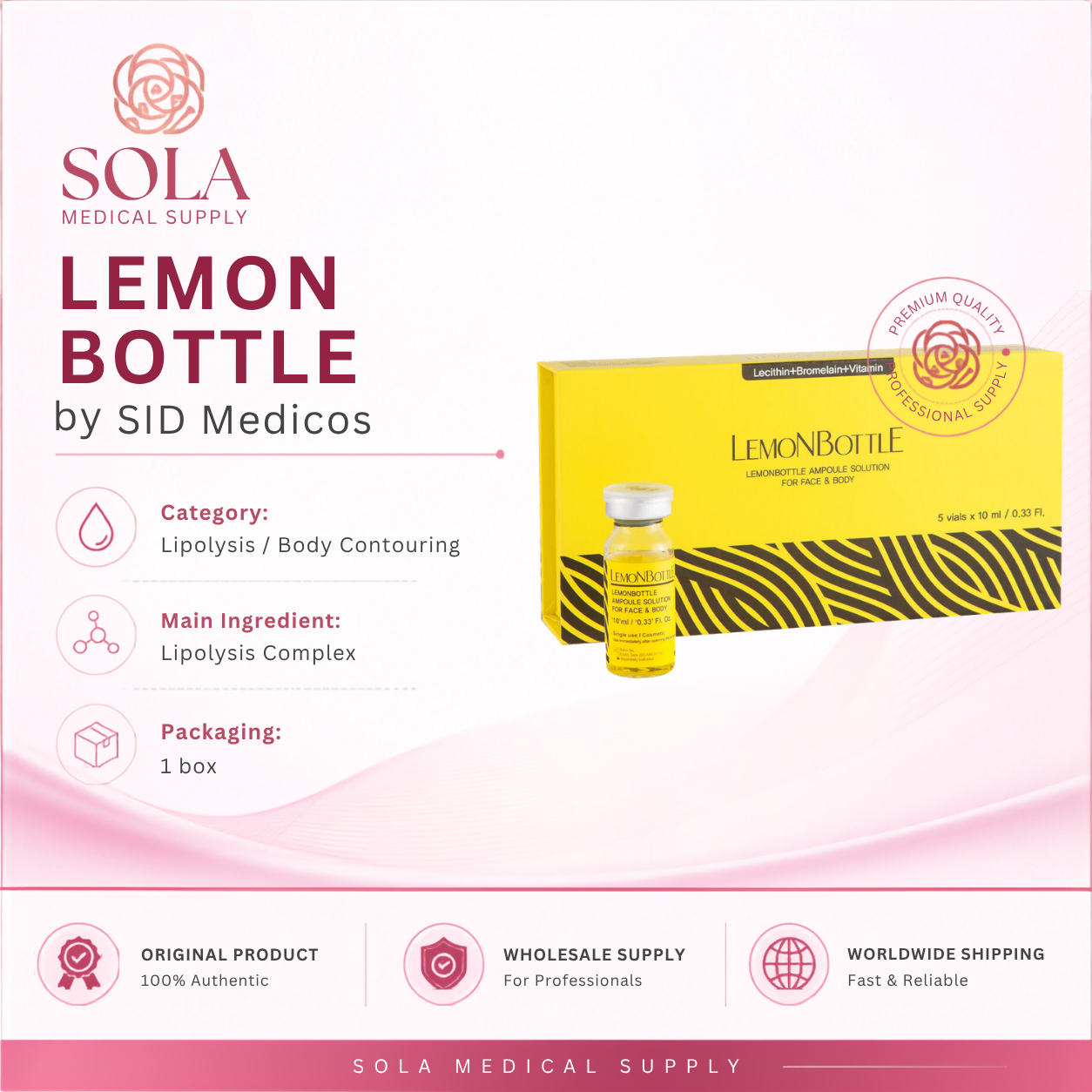
This guide provides essential insights for clinics and distributors on sourcing lemon bottles wholesale, covering key considerations and logistics.
For clinics, spas, and distributors, sourcing lemon bottles wholesale can pose a significant challenge. With a myriad of options available, understanding the nuances of this product category is crucial for making informed purchasing decisions. This guide aims to clarify the complexities involved in sourcing lemon bottles, ensuring that professional buyers can navigate the market effectively.
Understanding the importance of quality, pricing, and supplier reliability is essential. As the demand for lipolysis products continues to grow, ensuring that your sourcing strategy is robust will help you maintain a competitive edge in your business. This guide will equip you with the knowledge needed to make strategic purchasing decisions that align with your operational needs.
Key Takeaways
- Prioritize suppliers with a proven track record in the lipolysis category to ensure product reliability.
- Evaluate product quality and packaging to guarantee safety and efficacy for your clients.
- Understand the minimum order quantities (MOQ) to optimize inventory management and reduce costs.
- Communicate clearly with suppliers about shipping and documentation requirements to avoid delays.
- Plan for reorders based on market demand and lead times to maintain consistent supply.
What this guide covers
- Understanding lemon bottles and their uses
- Identifying relevant buyers and scenarios
- Comparison criteria for sourcing
- Checklist for requesting quotes
- Logistics and documentation considerations
- MOQ and reorder planning
- Frequently asked questions
What buyers should understand first
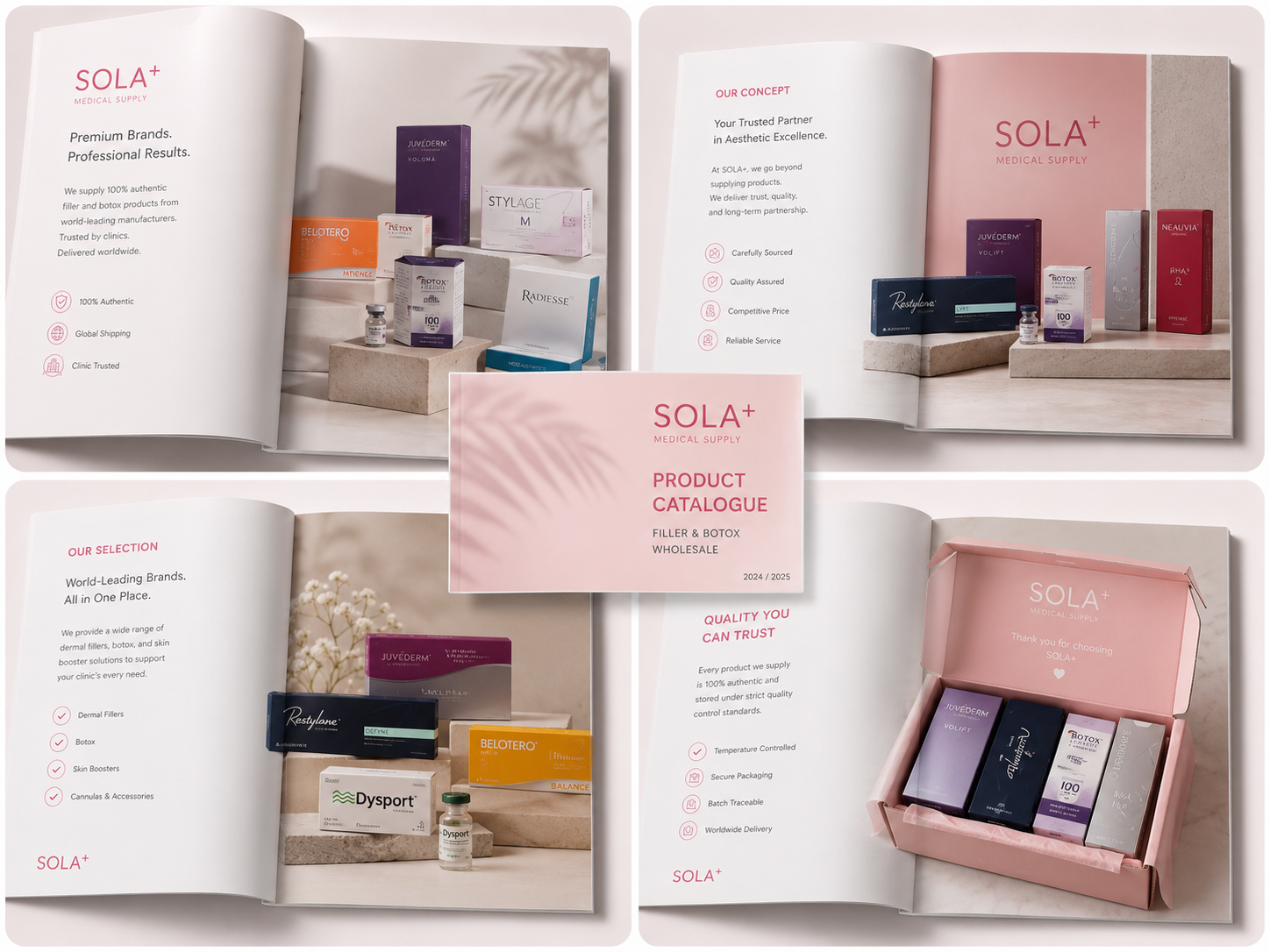
Lemon bottles are specialized containers used primarily in the lipolysis treatment process. They are designed to hold specific formulations that aid in fat reduction and body contouring. For clinics and distributors, understanding the specifications and quality of these bottles is essential. Buyers should be aware of the materials used, the design features that ensure product integrity, and the importance of compliance with local regulations. This foundational knowledge will help buyers make informed decisions and select the right products for their needs.
These bottles typically feature secure seals to prevent leakage and are made from materials that can withstand various temperatures and conditions. Additionally, they should be easy to handle and dispense, which is vital for clinics and spas that prioritize efficiency in their operations. Familiarizing yourself with these aspects will not only enhance your purchasing decisions but also improve your service delivery to clients.
Which buyers is this most relevant for?
This guide is particularly relevant for clinics offering aesthetic treatments, spas providing body contouring services, and distributors looking to stock high-quality lipolysis products. Each of these buyer types has unique needs when it comes to sourcing lemon bottles. For instance, clinics may require consistent supply for ongoing treatments, while distributors might focus on bulk purchasing and inventory turnover.
Moreover, clinics may need to evaluate the frequency of their treatments to determine how many bottles they should order at a time. Spas might consider seasonal trends in demand, while distributors should analyze market trends to optimize their stock levels. Understanding these scenarios can help buyers plan their orders effectively and align their purchasing strategies with business goals.
How to compare options before ordering
When sourcing lemon bottles wholesale, buyers should consider several key comparison criteria:
- Product Type: Ensure the bottles meet the specific requirements of your treatments, including size and material compatibility.
- Brand Reputation: Research suppliers and their product reviews to gauge reliability and customer satisfaction.
- Packaging: Evaluate the packaging for safety, compliance, and ease of use, ensuring it meets your operational needs.
- Batch and Expiry Visibility: Check for clear labeling to avoid expired products and ensure quality control.
- Supplier Communication: Assess how responsive and informative the supplier is, as good communication can prevent misunderstandings.
- Destination Requirements: Understand any specific shipping or customs regulations that may apply to your location.
Buyer checklist before requesting a quote

- Define your specific product requirements (size, material, etc.) to ensure you get the right items.
- Determine your budget and pricing expectations to streamline negotiations.
- Identify your minimum order quantity (MOQ) needs to avoid excess inventory.
- Prepare questions regarding shipping, lead times, and payment terms to clarify expectations.
- Gather documentation requirements for your region to facilitate smooth transactions.
- Assess your timeline for delivery and product availability to align with your operational schedule.
Shipping, packing and documentation questions
Logistics play a critical role in the sourcing process. Buyers should consider the following questions:
- What are the shipping options available from the supplier, and how do they affect costs?
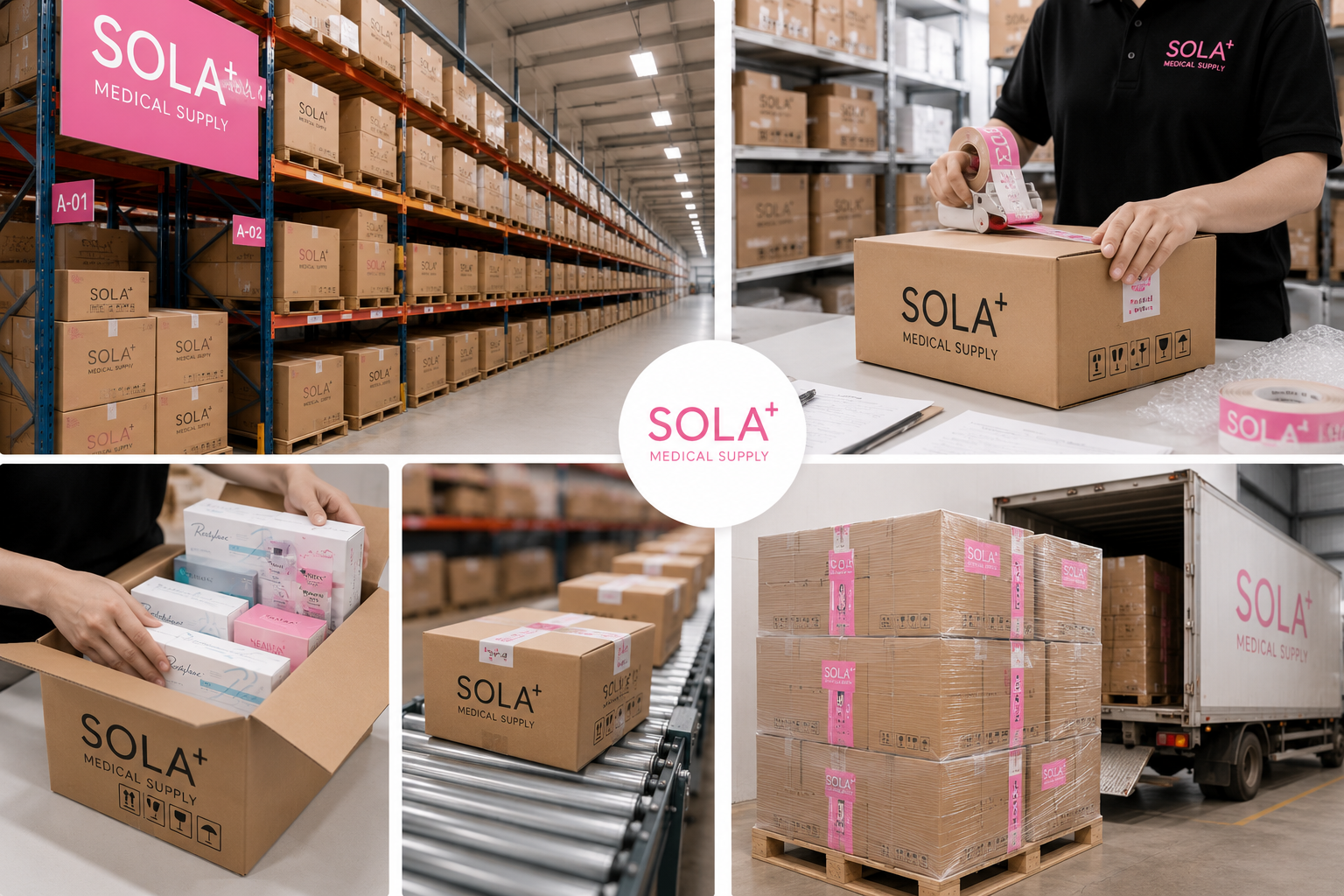
- How will the products be packed to prevent damage during transit?
- What documentation is required for customs clearance to ensure compliance?
- Are there any specific temperature or handling requirements during shipping that need to be communicated?
- What are the estimated lead times for delivery, and how can they impact your operations?
MOQ, quotation and reorder planning
Preparing for your ordering needs involves understanding minimum order quantities (MOQ) and planning for future reorders. Buyers should:
- Confirm the MOQ with potential suppliers to avoid overstocking or stockouts, which can disrupt your services.
- Plan for product variants to meet diverse customer needs and preferences.
- Provide destination details to ensure accurate shipping quotes and avoid unexpected costs.
- Consider seasonal demand fluctuations when planning reorders to maintain optimal inventory levels.
- Contact SOLA to confirm current availability and obtain a wholesale quotation tailored to your needs.
FAQ
What is the typical MOQ for lemon bottles?
The MOQ can vary by supplier, so it’s essential to confirm this before placing an order to ensure it aligns with your purchasing strategy.
How can I ensure product quality?
Request samples from suppliers and review product certifications if available to assess quality before committing to a larger order.
What should I include in my quote request?
Include product specifications, quantities, and any specific shipping requirements to ensure accurate quotations from suppliers.
How do I handle customs for international shipping?
Consult with your supplier about necessary documentation and local customs regulations to avoid delays and complications.
Can SOLA assist with my sourcing needs?
Yes, SOLA can provide support and guidance throughout the sourcing process, ensuring you have the resources needed for successful procurement.
Contact SOLA for wholesale quotation via WhatsApp.
Planning a wholesale request?
Send product names, quantities and destination for a tailored discussion.
Contact SOLA on WhatsApp →General educational content for professional buyers. Not medical, legal, regulatory or import advice.