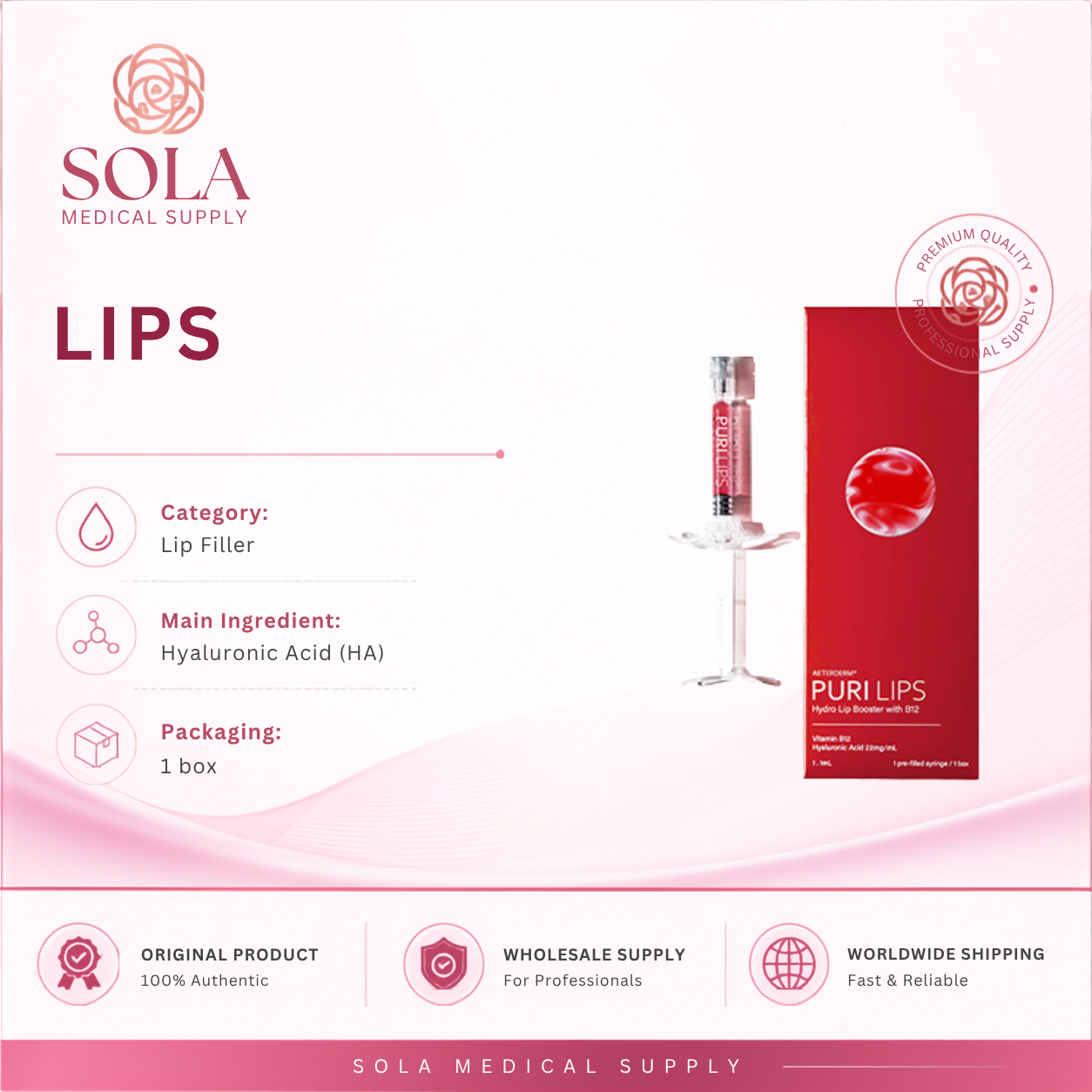
This guide provides practical insights for sourcing lip fillers wholesale, covering everything from supplier selection to shipping logistics.
As a professional buyer in the aesthetic clinic industry, sourcing high-quality lip fillers can be a daunting task. With numerous suppliers and product options available, it’s crucial to ensure that you are making informed decisions that align with your clinic's needs and standards. The right sourcing strategy can significantly impact your clinic's reputation and client satisfaction.
This guide aims to simplify the wholesale sourcing process for lip fillers, providing you with practical insights and actionable steps to effectively navigate the market. Understanding the nuances of this category can help you optimize your procurement strategy and ultimately enhance your service offerings.
Key Takeaways
- Identify reputable lips wholesale suppliers to ensure product quality and reliability.
- Understand the importance of minimum order quantities (MOQ) and how they affect your purchasing strategy.
- Evaluate packaging and batch visibility to maintain product integrity and compliance.
- Establish clear communication with suppliers to facilitate smooth transactions and logistics.
- Plan for reorder cycles to avoid stockouts and ensure consistent availability of products.
What this guide covers
- Understanding lip fillers
- Buyer scenarios and needs
- Comparison criteria for suppliers
- Checklist before requesting a quote
- Logistics: shipping, packing, and documentation
- MOQ and reorder planning
- Frequently asked questions
What buyers should understand first
Lip fillers are dermal fillers specifically designed for enhancing the volume and shape of lips. They are typically composed of hyaluronic acid, a substance naturally found in the body, which provides hydration and elasticity. As a buyer, it’s essential to understand that lip fillers vary in formulation, viscosity, and intended use, which can influence the results and client satisfaction. Your choice of products should align with the aesthetic goals of your clients while ensuring safety and compliance with local regulations.
Different brands may offer unique formulations that cater to various aesthetic preferences, such as plumpness, smoothness, or longevity. Therefore, it's crucial to familiarize yourself with the characteristics of each product to make informed choices that will meet your clients' needs effectively.
Which buyers is this most relevant for?
This guide is particularly relevant for aesthetic clinics, spas, resellers, and distributors looking to expand their product offerings in lip enhancement. Professional buyers in these sectors often face challenges related to order planning, supplier evaluation, and inventory management. For clinics, understanding the nuances of lip fillers can aid in selecting products that meet client expectations, while resellers may focus on competitive pricing and product availability. Distributors must consider logistics and supplier relationships to maintain a steady supply chain.
Additionally, new entrants to the market may find this guide beneficial as they navigate their initial sourcing efforts, ensuring they establish a solid foundation for their product offerings.
How to compare options before ordering
When evaluating different lip filler options, consider the following criteria:
- Product Type: Assess the specific formulations and their intended effects on lip enhancement. Different products may offer varying levels of viscosity and longevity.
- Brand Reputation: Research supplier backgrounds and product reviews to gauge reliability. Look for brands with a proven track record in the industry.
- Packaging: Ensure that the products are packaged securely to prevent damage during transport. Packaging should also comply with safety standards.
- Batch and Expiry Visibility: Check if the supplier provides clear information on batch numbers and expiry dates to ensure product safety and compliance.
- Supplier Communication: Evaluate the responsiveness and clarity of communication from potential suppliers. Good communication can prevent misunderstandings and streamline the ordering process.
- Destination Requirements: Understand any specific shipping or customs regulations that may apply to your location to avoid delays.
Buyer checklist before requesting a quote

- Define your product requirements (type, brand, volume).
- Confirm your minimum order quantities (MOQ) with suppliers.
- Prepare documentation for shipping and customs, if applicable.
- Establish a budget for your order and potential shipping costs.
- Review supplier terms and conditions regarding returns and warranties.
- Check for any promotional offers or discounts on bulk orders.
- Assess your clinic's projected demand to avoid overstocking or stockouts.
Shipping, packing and documentation questions
Logistics play a crucial role in the sourcing process. When planning your order, consider the following:
- Discuss shipping options with your supplier to find the most efficient method. Consider both speed and cost-effectiveness.
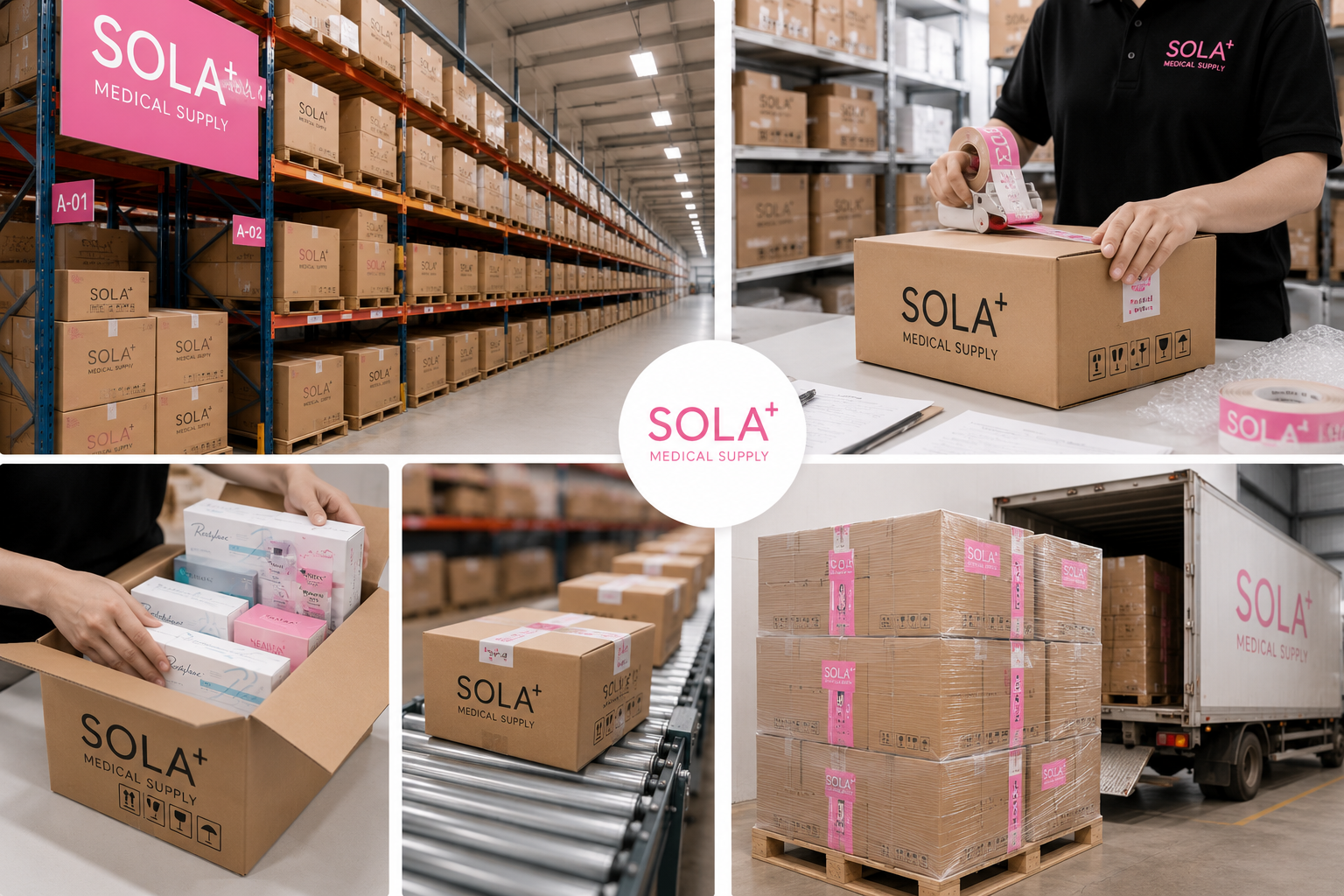
- Inquire about packing materials used to ensure product safety during transit. Proper packing can prevent damage and ensure product integrity.
- Understand the documentation required for customs clearance, especially for international orders. This may include invoices, certificates of origin, and other relevant paperwork.
- Ask about tracking options for your shipment to monitor its progress and ensure timely delivery.
- Clarify the supplier's policy on handling damaged or lost shipments to know your recourse in case of issues.
MOQ, quotation and reorder planning
Preparing for your order involves understanding the minimum order quantities (MOQ) set by suppliers. Here are some tips:
- Determine the quantity of each product variant you need based on your clinic's projected demand. Consider seasonal fluctuations in demand.
- Communicate with suppliers to confirm current availability and any potential lead times. This can help you plan your orders more effectively.
- Request a wholesale quotation that includes pricing, shipping costs, and estimated delivery times. Ensure you understand all costs involved.
- Plan your reorder cycles based on sales data to maintain optimal inventory levels. Regularly review your stock to avoid shortages.
- Utilize SOLA's support to help confirm product availability and assist with your wholesale quotation. Their expertise can streamline your sourcing process.
FAQ
What are the most important factors to consider when choosing a lip filler supplier?
Key factors include product quality, supplier reliability, communication, and shipping logistics.
How can I ensure the lip fillers I purchase are safe for my clients?
Research the supplier’s certifications and product reviews, and ensure compliance with local regulations.
What is the typical MOQ for lip fillers?
MOQs can vary by supplier, so it’s essential to confirm this information during your sourcing process.
How do I handle shipping and customs for international orders?
Discuss shipping options with your supplier and ensure you have the necessary documentation for customs clearance.
Can SOLA assist with my wholesale sourcing needs?
Yes, SOLA can provide support in confirming product availability and assisting with wholesale quotations.
Contact SOLA for wholesale quotation via WhatsApp.
Planning a wholesale request?
Send product names, quantities and destination for a tailored discussion.
Contact SOLA on WhatsApp →General educational content for professional buyers. Not medical, legal, regulatory or import advice.